đźšš Free Worldwide Shipping on All Orders!Shop Now
HomeStore

Jewel Tang

Jewel Tang

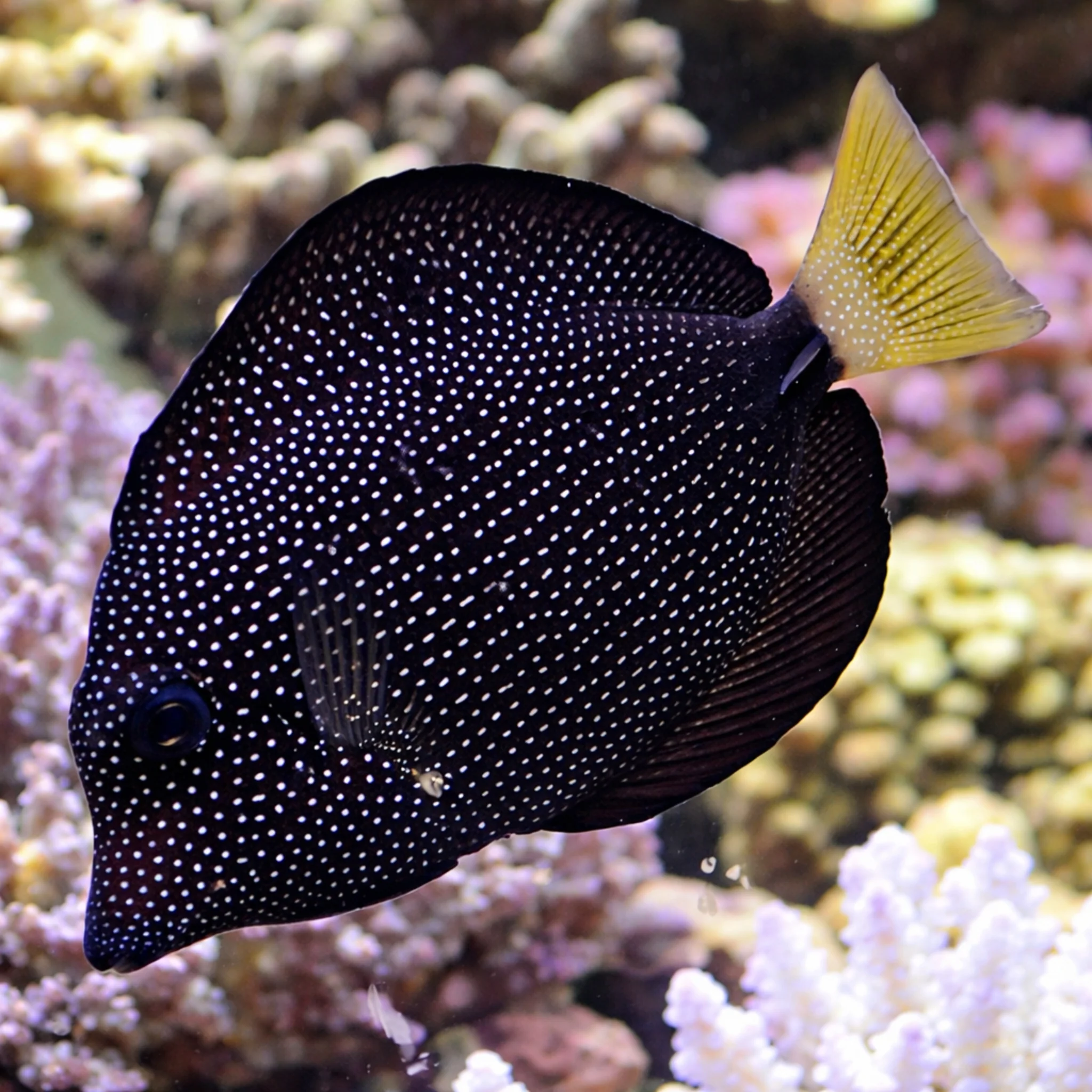
Acanthurus Guttatus
Care: Beginner
Diet: Algivorous
Light: Medium
Place of origin: Western Indian Ocean

Jewel Tang - Widespread Indo-West Pacific, but mainly occurs in oceanic locations. Usually found schooling in shallow depths over reef flats that are subject to surge or currents. A deep-bodied species that is easily identified by colour. The numerous white spots are thought to serve as camouflage when swimming near breaking waves where surface waters mix with small air-bubbles. Length to 26cm.

The common name “surgeonfish” is derived from a characteristic that clearly distinguishes Acanthuridae from other fish families: the spines or “scalpels” on the caudal peduncle, one or more on each side. Based primarily on differences in this characteristic, the family can be divided into three subfamilies: The Acanthurinae, in which the peduncular spine  rests in a groove and can be erected in defence during the fights, the Nasinae and Prionurinae in which the peduncular feature is arranged as one or more fixed blades on each side, that are sharp and elongate.
Small 3 cm.
Large 6-8 cm.
Select Size
From $221.20
Jewel Tang—
$221.20
Product image 1

Description

Acanthurus Guttatus
Care: Beginner
Diet: Algivorous
Light: Medium
Place of origin: Western Indian Ocean

Jewel Tang - Widespread Indo-West Pacific, but mainly occurs in oceanic locations. Usually found schooling in shallow depths over reef flats that are subject to surge or currents. A deep-bodied species that is easily identified by colour. The numerous white spots are thought to serve as camouflage when swimming near breaking waves where surface waters mix with small air-bubbles. Length to 26cm.

The common name “surgeonfish” is derived from a characteristic that clearly distinguishes Acanthuridae from other fish families: the spines or “scalpels” on the caudal peduncle, one or more on each side. Based primarily on differences in this characteristic, the family can be divided into three subfamilies: The Acanthurinae, in which the peduncular spine  rests in a groove and can be erected in defence during the fights, the Nasinae and Prionurinae in which the peduncular feature is arranged as one or more fixed blades on each side, that are sharp and elongate.
Small 3 cm.
Large 6-8 cm.

You may also like

-70%NEW
Thumbnail 1

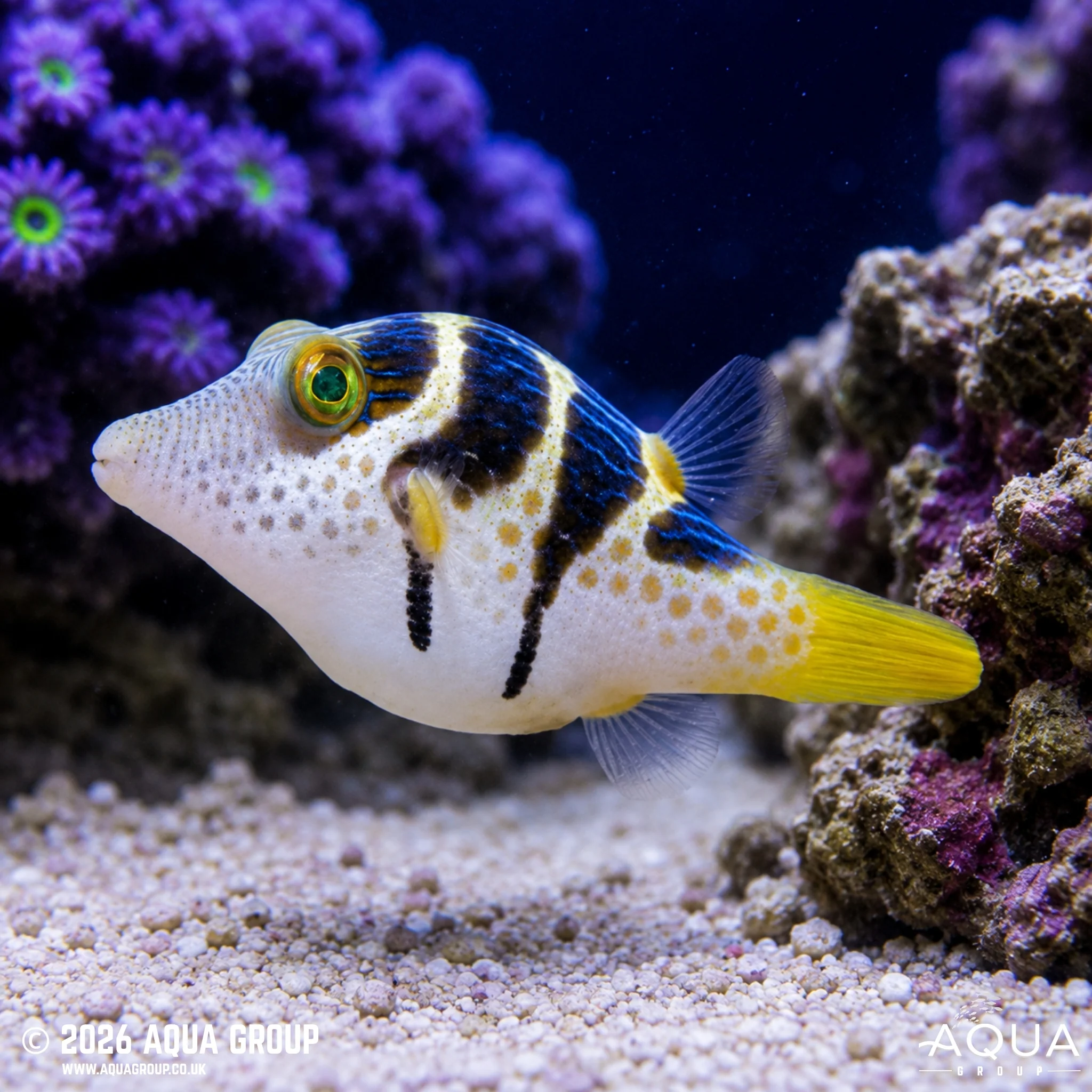
Valentini Puffer - Canthigaster valentini

$53.62

$16.09

-70%NEW
Thumbnail 1

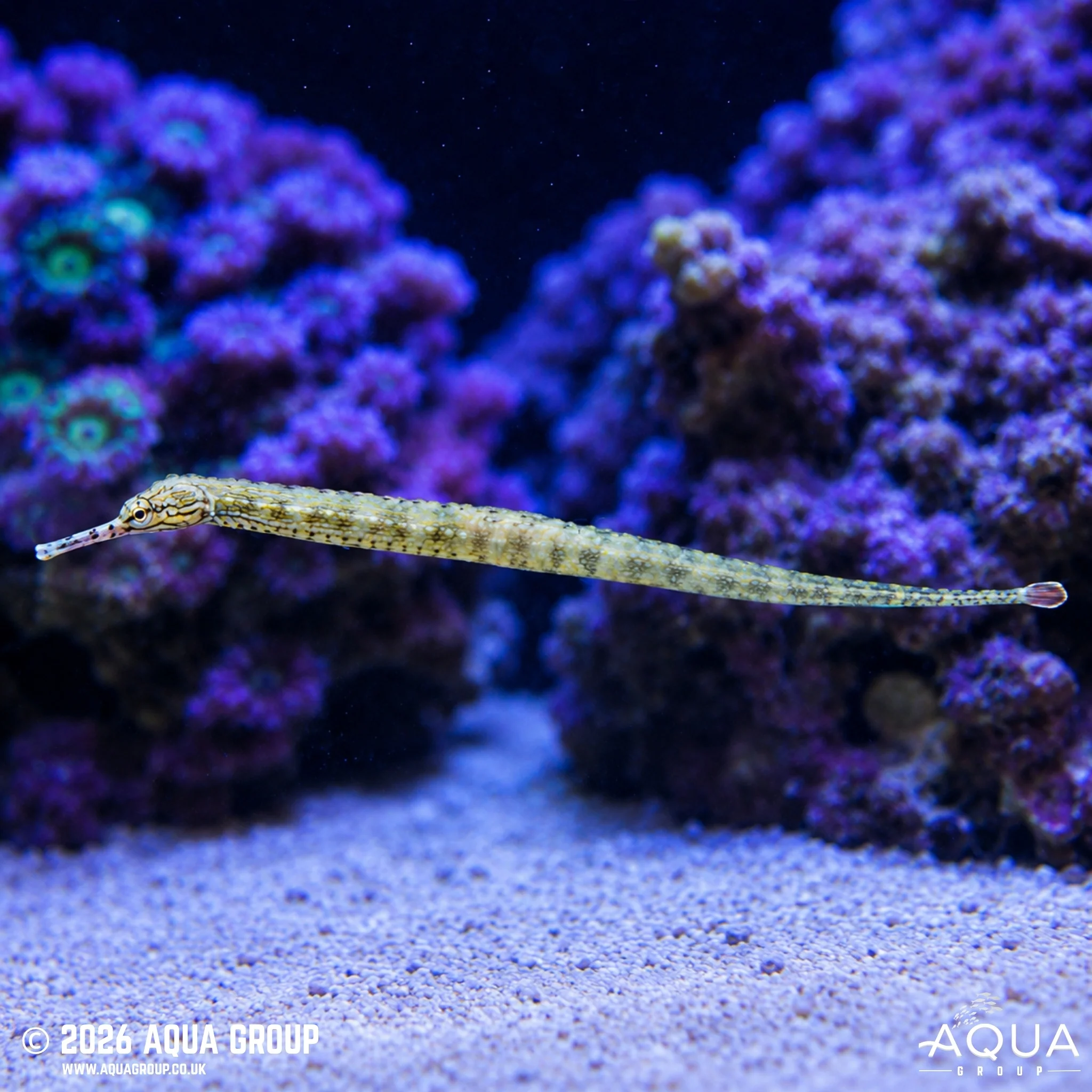
Snake Pipefish - Corythoichthys intestinalis

$33.51

$10.05

-70%NEW
Thumbnail 1

Soldier Fish

$33.45

$10.04

-70%NEW
Thumbnail 1Thumbnail 2

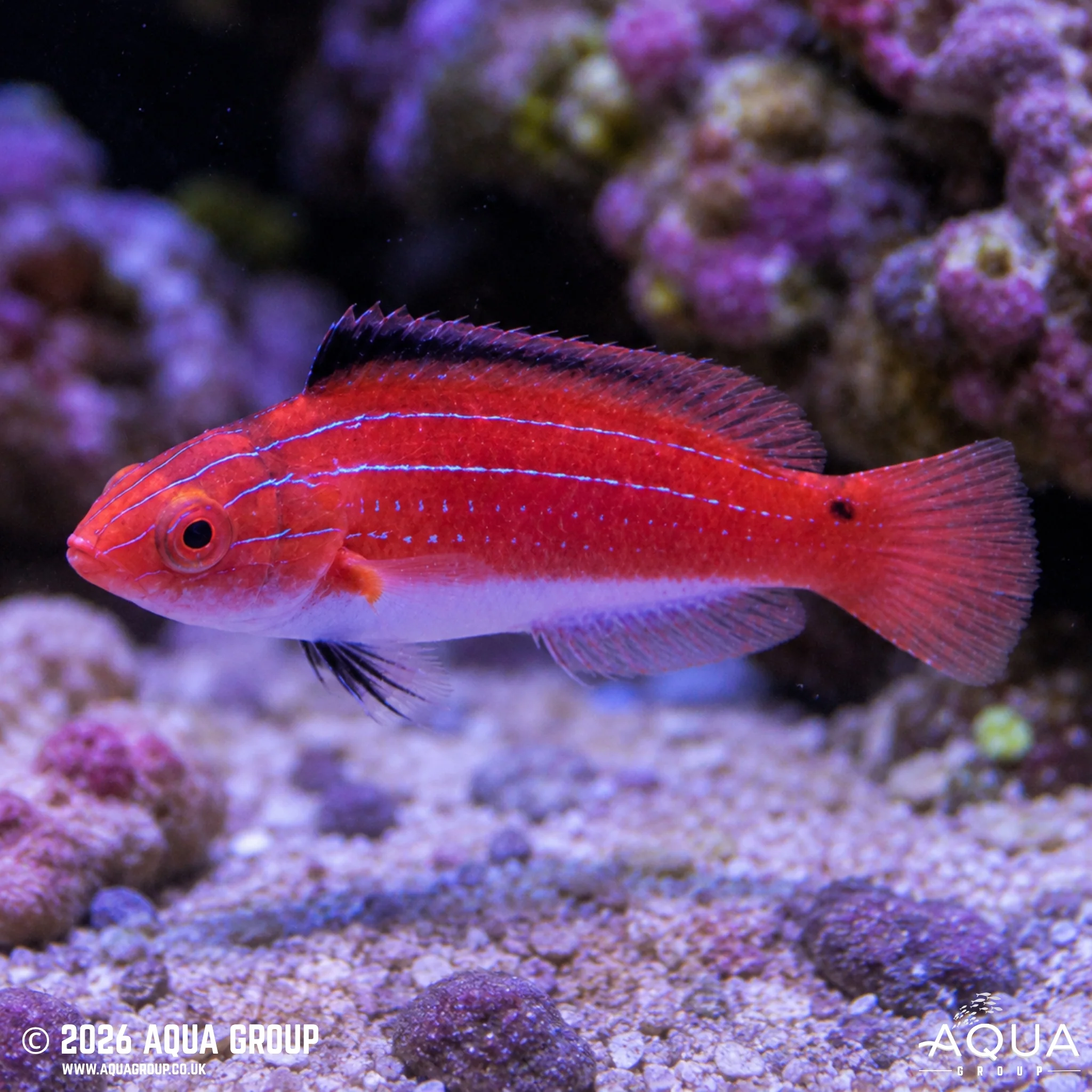
Naoko's Fairy Wrasse - Cirrhilabrus naokoae

$65.69

$19.71

NEW
Thumbnail 1

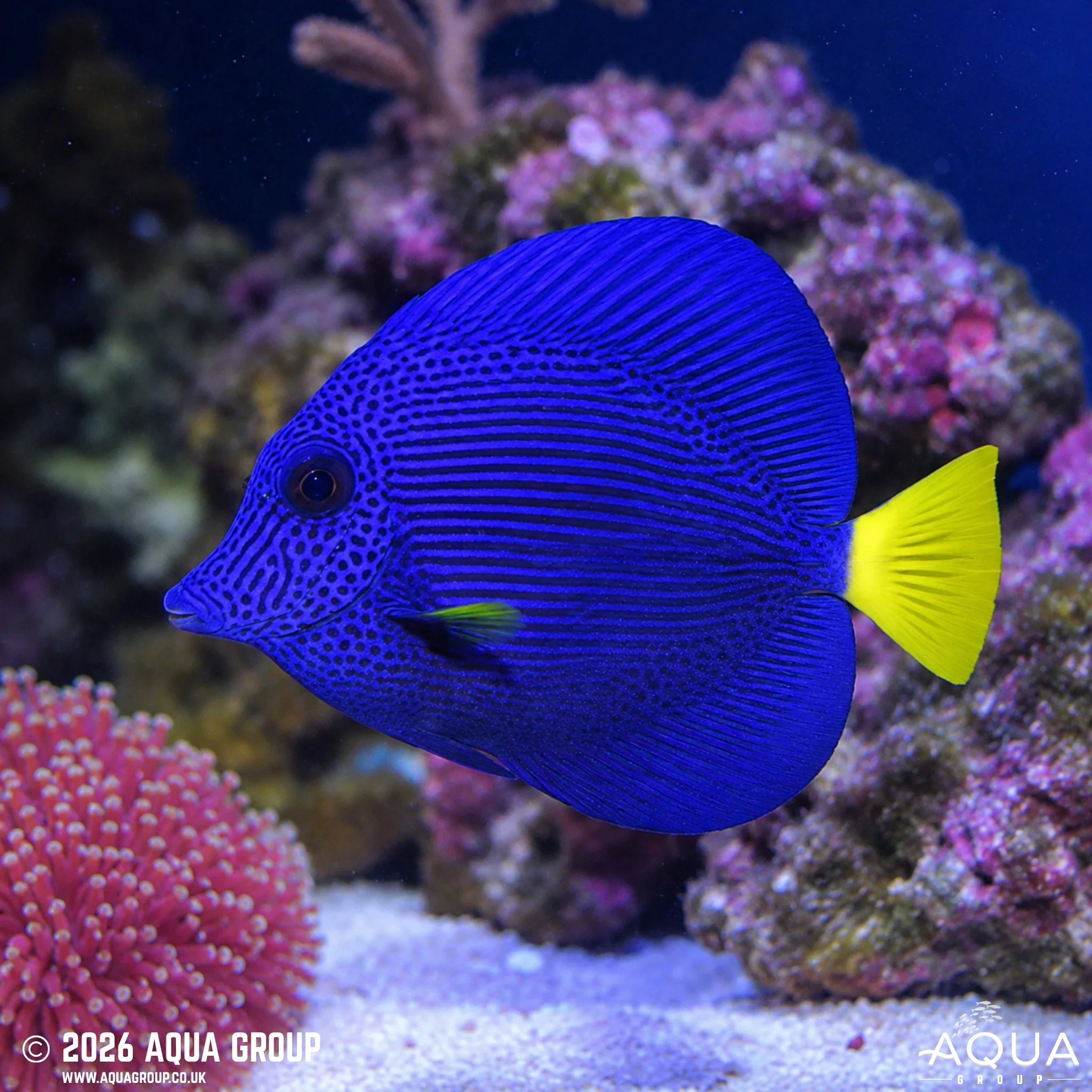
Purple Tang - Zebrasoma xanthurum

$160.87

-70%NEW
Thumbnail 1

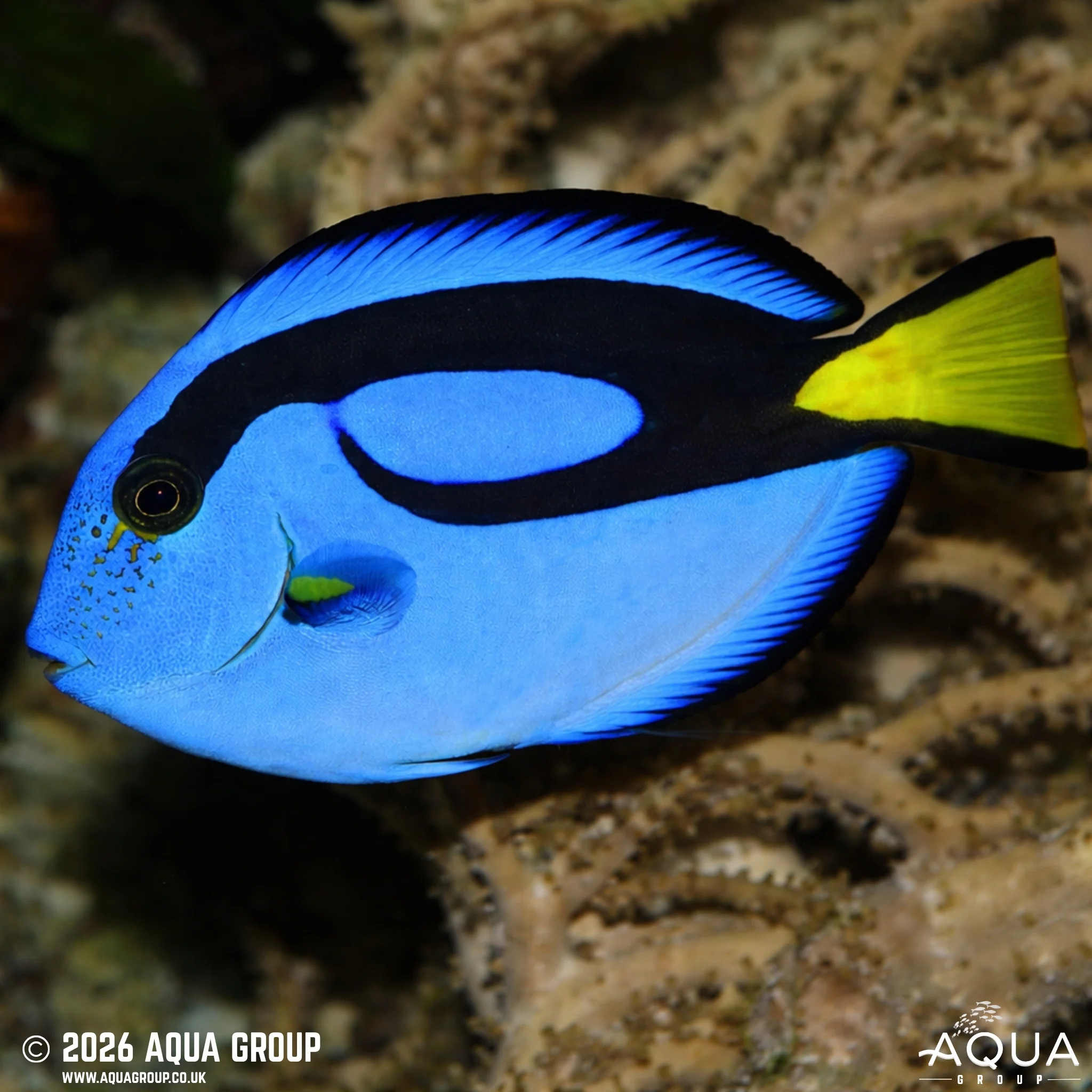
Regal Tang - Paracanthurus hepatus

$53.62

$16.09

-70%NEW
Thumbnail 1

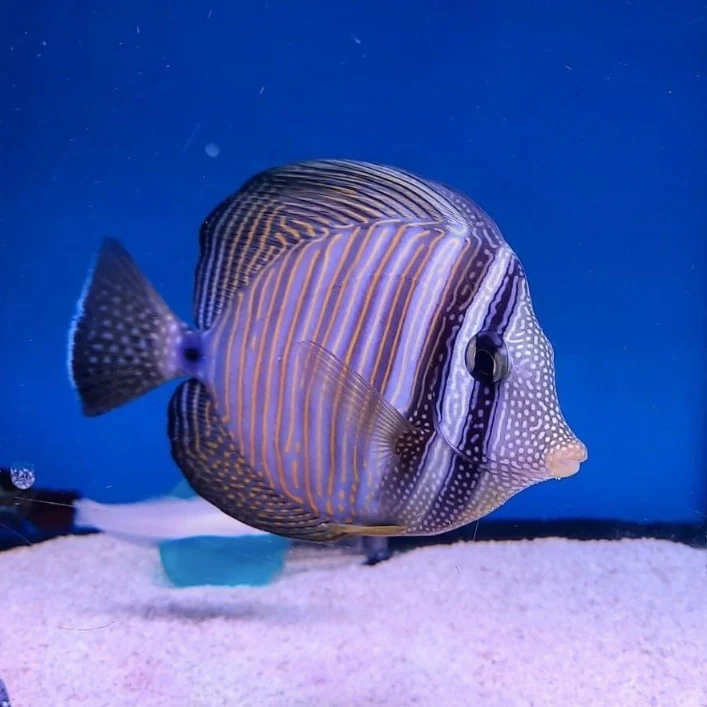
Sailfin Tang - West Ind Ocean

$46.25

$13.88

NEW
Thumbnail 1

Gem Tang - Zebrasoma gemmatum

$328.45

-70%NEW
Thumbnail 1

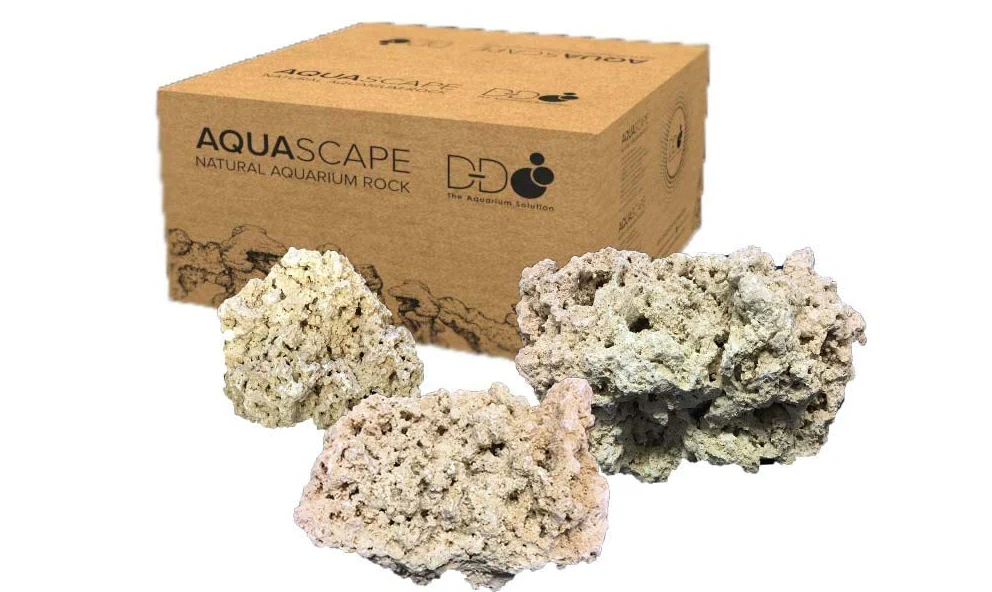
Aquascape Natural Aquarium Rock - 20kg Mixed

$120.52

$36.16

-70%NEW
Thumbnail 1

RowaCarbon-Crystal Premium Carbon

$14.61

$4.38

-70%NEW
Thumbnail 1

RowaPhos Phosphate Remover

$12.60

$3.78

-70%NEW
Thumbnail 1

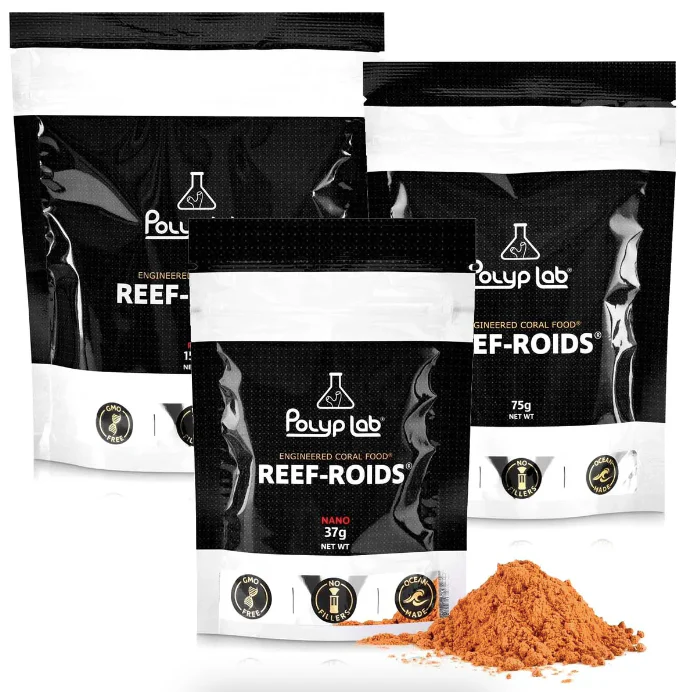
Reef-Roids

$28.15

$8.44